If you have been exploring wellness options in Brisbane, you have probably come across the term “lymphatic drainage massage.” It is one of the most searched massage-related topics in Australia, and for good reason. This gentle, rhythmic technique has been practised by therapists for decades and is now available in a range of formats, from hands-on manual sessions to modern machine-assisted approaches.
In this guide, we will break down exactly what lymphatic drainage massage is, how it works, who it is for, and what the experience looks like at Embod in Brisbane’s Fortitude Valley. Whether you are completely new to this or comparing your options, this is the guide to read first.
Your Lymphatic System: A Quick Overview
Before we talk about the massage itself, it helps to understand the system it is named after. Your lymphatic system is a network of tissues, organs, and vessels that runs throughout your entire body. Think of it as a secondary circulation system that works alongside your blood vessels.
Its primary roles include:
- Fluid balance. It collects excess fluid from your tissues and returns it to your bloodstream, preventing swelling and puffiness.
- Immune support. Lymph nodes filter bacteria, viruses, and other unwanted material as lymph fluid passes through them.
- Waste transport. The system helps move metabolic waste products away from your tissues.
Unlike your circulatory system, the lymphatic system does not have a pump (your heart does that job for blood). Instead, lymph fluid relies on muscle movement, breathing, and external pressure to keep flowing. This is one of the reasons movement and massage are so closely linked to lymphatic health.
So, What Is Lymphatic Drainage Massage?
Lymphatic drainage massage is a specialised massage technique designed to encourage the natural flow of lymph fluid through the body. It was first developed in the 1930s by Danish physiotherapists Emil and Estrid Vodder, and it has been a recognised part of manual therapy ever since.
The technique involves very light, rhythmic strokes that follow the direction of lymph flow toward the lymph nodes. It is quite different from a deep tissue or remedial massage. Where those styles apply firm pressure to release muscle tension, lymphatic drainage massage uses gentle, wave-like movements on the surface of the skin.
Key Characteristics
- Light pressure. The strokes are much softer than most people expect. Lymphatic vessels sit close to the skin’s surface, so heavy pressure is not needed.
- Rhythmic and repetitive. The consistent, flowing movements help create a pumping effect that encourages fluid movement.
- Directional. Strokes always move toward the nearest group of lymph nodes (typically the neck, armpits, or groin).
- Full body or targeted. Depending on the person’s goals, the session may cover the whole body or focus on specific areas like the legs, arms, or face.
Lymphatic drainage massage is recognised by physiotherapy and massage therapy bodies around the world. It is frequently used in post-surgical recovery settings, particularly after procedures where swelling is expected.
Types of Lymphatic Drainage Massage
Not all lymphatic drainage massage looks the same. There are several approaches available, and the right one for you depends on what you are looking for and your individual circumstances.
Manual Lymphatic Drainage (MLD)
This is the traditional, hands-on approach. A trained therapist uses their hands to apply light, rhythmic pressure across the body. MLD is the most established form of lymphatic drainage massage and is commonly used in clinical settings. Therapists trained in the Vodder, Leduc, or Casley-Smith methods follow specific stroke sequences tailored to the individual.
MLD sessions typically last 45 to 90 minutes, and the experience is deeply relaxing. It is often recommended by healthcare professionals for people managing specific conditions like lymphoedema.
Machine-Assisted Lymphatic Massage
In recent years, machine-assisted options have become a popular alternative, particularly in wellness and recovery studios. These devices use mechanical pressure, rolling, or compression to create consistent, rhythmic movement across the body.
There are several types of machine-assisted lymphatic massage:
- Compression therapy. Pneumatic devices use inflatable chambers to apply sequential pressure to the limbs. This is commonly seen in sports recovery settings.
- Body roll machines. These use motorised rollers to create a continuous, wave-like massage action along the body. The rhythmic rolling sensation is designed to feel relaxing while providing consistent coverage.
- Combination devices. Some machines blend infrared warmth, vibration, or other elements alongside mechanical massage for a multi-sensory experience.
Machine-assisted options offer consistency. Every session delivers the same pressure and rhythm, which some people prefer over the natural variation of a manual session.
Dry Brushing and At-Home Techniques
You may also see dry brushing marketed as a lymphatic drainage technique. While brushing the skin in the direction of lymph flow is a simple daily practice, it is not equivalent to a professional lymphatic drainage massage session. Think of it as a complement, not a replacement.
Who Gets Lymphatic Drainage Massage (and Why)?
Lymphatic drainage massage attracts a wide range of people for a variety of reasons. Here are some of the most common motivations:
- Post-surgical recovery. Many surgeons recommend lymphatic drainage massage after procedures such as liposuction, tummy tucks, or breast surgery to help manage swelling. Always follow your surgeon’s specific advice.
- General wellness and relaxation. Plenty of people book lymphatic drainage sessions simply because they enjoy the gentle, calming experience. It is one of the most relaxing forms of massage available.
- Puffiness or fluid retention. People who notice puffiness in their face, legs, or ankles often explore lymphatic drainage massage as part of their overall wellness routine.
- Athletes and active individuals. Lymphatic drainage massage is popular in the sports recovery space. Athletes use it as part of their recovery protocol between training sessions.
- Chronic stress or fatigue. The deeply relaxing nature of this type of massage makes it appealing to people dealing with high stress levels or general tiredness.
- Curiosity. Many first-timers simply want to try something different from a standard remedial massage and are drawn to the gentle, low-impact approach.
Good to know: If you have a specific medical condition or are recovering from surgery, it is always best to speak with your healthcare professional before starting any new massage or wellness routine.
What to Expect During a Lymphatic Drainage Massage
In a Traditional Manual Session
If you book a manual lymphatic drainage session with a trained therapist, here is what the experience generally looks like:
- Consultation. Your therapist will ask about your health history, any conditions, and what you hope to get from the session.
- Positioning. You will lie on a massage table, usually face-up, draped with a towel or sheet.
- The session. Using very light, rhythmic strokes, the therapist will work systematically across your body, following the direction of lymph flow toward the lymph nodes.
- Duration. Most sessions run between 45 and 90 minutes.
- Afterwards. You may feel deeply relaxed. It is common to feel a bit drowsy. Therapists typically recommend drinking plenty of water after the session.
The pressure is much lighter than most people expect. If you are used to deep tissue massage, it might take a session or two to adjust to the gentleness.
At Embod: The Lymphatic Body Roll Experience
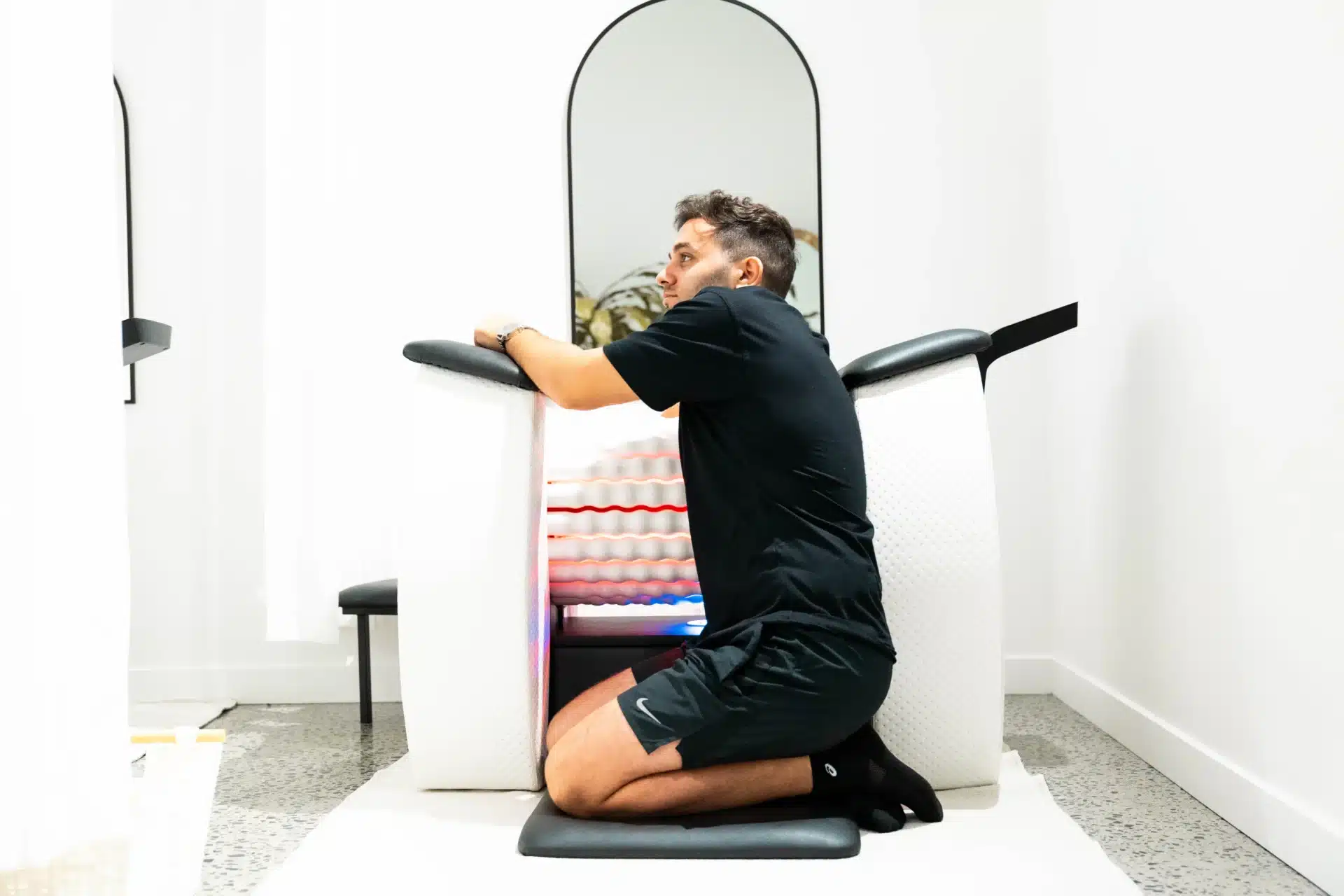
At our Fortitude Valley studio, we offer a lymphatic body roll massage experience using a specialised body roll machine. Here is what you can expect:
- Arrival. You will check in at our studio and your session guide will walk you through the process. No special clothing is needed. You can wear comfortable activewear or even your regular clothes.
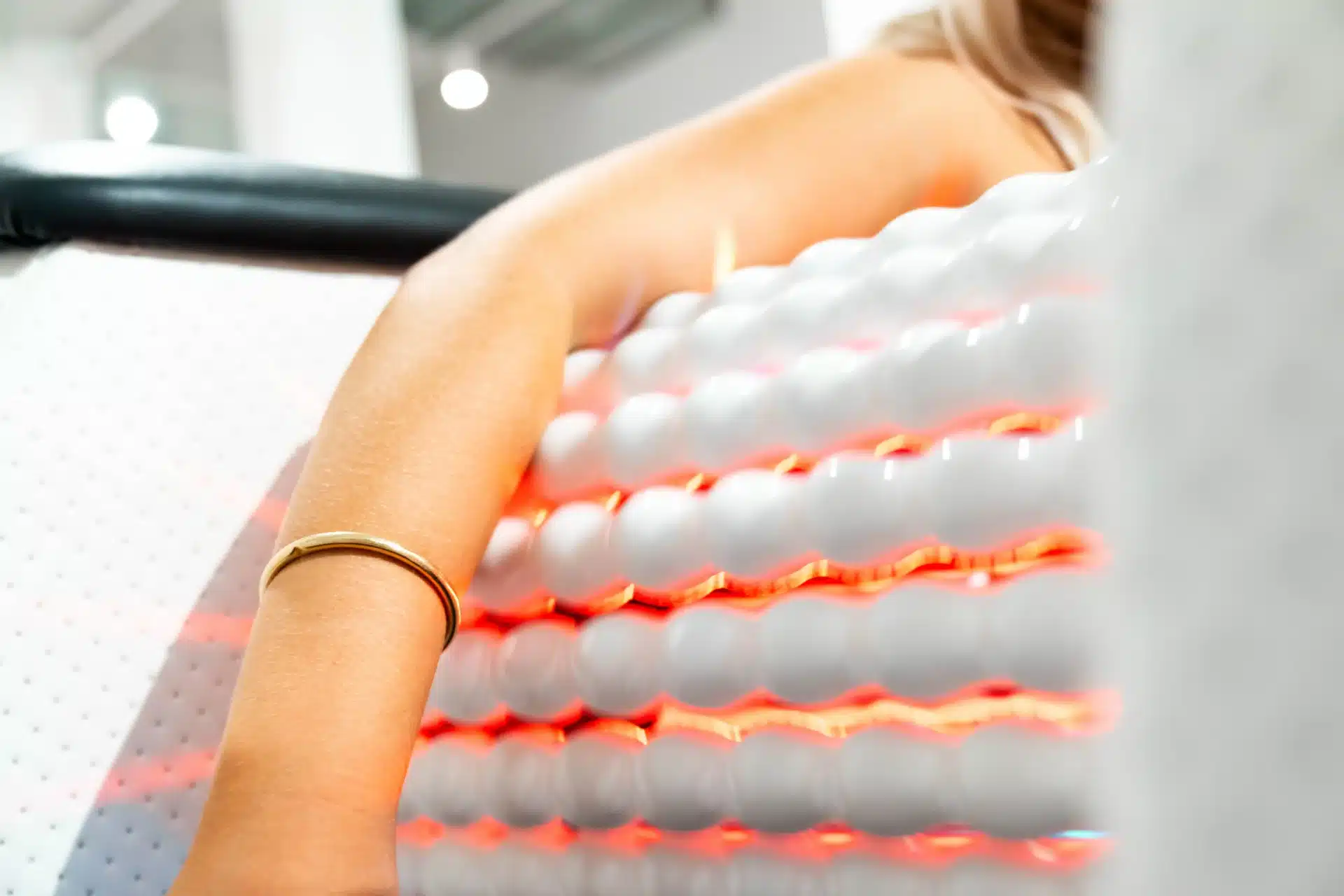
- The session. You will lie on the body roll machine, which uses motorised wooden rollers to create a continuous, rhythmic rolling massage along your body. The machine moves beneath you in a wave-like motion.
- Duration. Sessions at Embod typically run for 30 minutes, making them easy to fit into a lunch break or before and after work.
- The feeling. Most clients describe the sensation as deeply relaxing and soothing. The consistent, repetitive rolling rhythm has a calming effect that many people find quite meditative.
- Afterwards. You can get up and go straight back to your day. There is no oil or lotion involved, so there is nothing to wash off.
First time? We always recommend trying a single session before committing to a package. That way, you will know exactly how it feels and whether it suits you. Book your first session here.
How Does Embod’s Body Roll Compare?
People often ask how our lymphatic body roll massage experience compares to traditional manual lymphatic drainage. They are quite different experiences, and the right choice depends on what you are looking for.
| Manual (MLD) | Embod Body Roll | |
|---|---|---|
| Technique | Hands-on by trained therapist | Motorised wooden rollers |
| Pressure | Very light, variable | Gentle, consistent |
| Duration | 45-90 minutes | 30 minutes |
| Clothing | Undressed with draping | Stay fully clothed |
| Consistency | Varies by therapist | Same every time |
| Best for | Clinical needs, targeted areas | Relaxation, wellness routine |
| Price range | $100-$180 per session | More affordable, especially with packages |
The key difference is this: manual lymphatic drainage with a qualified therapist is a clinical treatment and is the right choice if you are managing a medical condition such as lymphoedema. Your doctor or specialist can advise you on the best approach.
Embod’s lymphatic body roll massage is a wellness experience. It is designed for people who want a relaxing, convenient session that they can build into their regular self-care routine. Many of our clients pair it with our compression therapy sessions for a broader wellness experience.
How Often Should You Get a Lymphatic Massage?
There is no single answer, because it depends on your goals and how your body responds. Here is a general guide based on what we see at Embod and what is commonly recommended for general wellness:
- Just starting out? Once a week for the first 3 to 4 weeks is a popular starting point. This helps you understand how your body responds and build the habit.
- Ongoing maintenance. Many regular clients settle into a rhythm of once or twice a week. Some come in more often, especially if they are combining it with other services.
- As-needed basis. Plenty of people drop in when they feel they need it. After travel, a stressful week, or a heavy training block are common triggers.
Because Embod’s sessions are only 30 minutes and you stay fully clothed, it is easy to come more frequently than you might with a traditional massage. Many clients visit during their lunch break or on the way home from work.
Frequently Asked Questions
Is lymphatic drainage massage painful?
No. Lymphatic drainage massage is one of the gentlest forms of massage. Whether you are having a manual session or using a body roll machine, the pressure is light and rhythmic. Most people find it deeply relaxing and calming. If you are used to firm deep tissue massage, the lightness might surprise you at first.
How is Embod’s body roll different from a regular massage?
Our lymphatic body roll massage experience uses a machine with motorised wooden rollers rather than a therapist’s hands. You stay fully clothed, the session is 30 minutes, and there is no oil or lotion involved. It is designed as a relaxing wellness experience rather than a clinical treatment. You can learn more on our lymphatic body roll page.
Can I get a lymphatic massage if I am pregnant?
We always recommend speaking with your doctor or midwife before starting any new wellness routine during pregnancy. Manual lymphatic drainage performed by a qualified therapist who specialises in prenatal care is generally considered safe after the first trimester, but your healthcare professional is the best person to advise you based on your individual situation.
What should I wear to an Embod session?
Comfortable clothing is all you need. Activewear, leggings, a t-shirt, or even your regular day clothes are all fine. There is no need to undress. We recommend avoiding bulky items like belts, thick zippers, or heavy jewellery so you are comfortable lying on the rollers.
How soon will I feel a difference?
Many people feel relaxed and at ease immediately after their first session. The rhythmic rolling motion tends to have a calming effect. As for how the experience fits into your overall wellness routine, that is something you will discover over the first few sessions. Everyone responds differently, and we encourage people to give it a few visits before deciding.
Can I combine lymphatic body roll with other Embod services?
Absolutely. Many of our clients pair the lymphatic body roll with compression therapy for a fuller wellness session. You can explore all available services and build your own routine. Check out our FAQ page for more details on service combinations and pricing.
Curious? Try It for Yourself
The best way to understand lymphatic body roll massage is to experience it. Book a single session at our Fortitude Valley studio and see how it feels.
Book a Session